

Researcher Spotlight
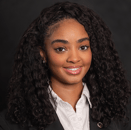
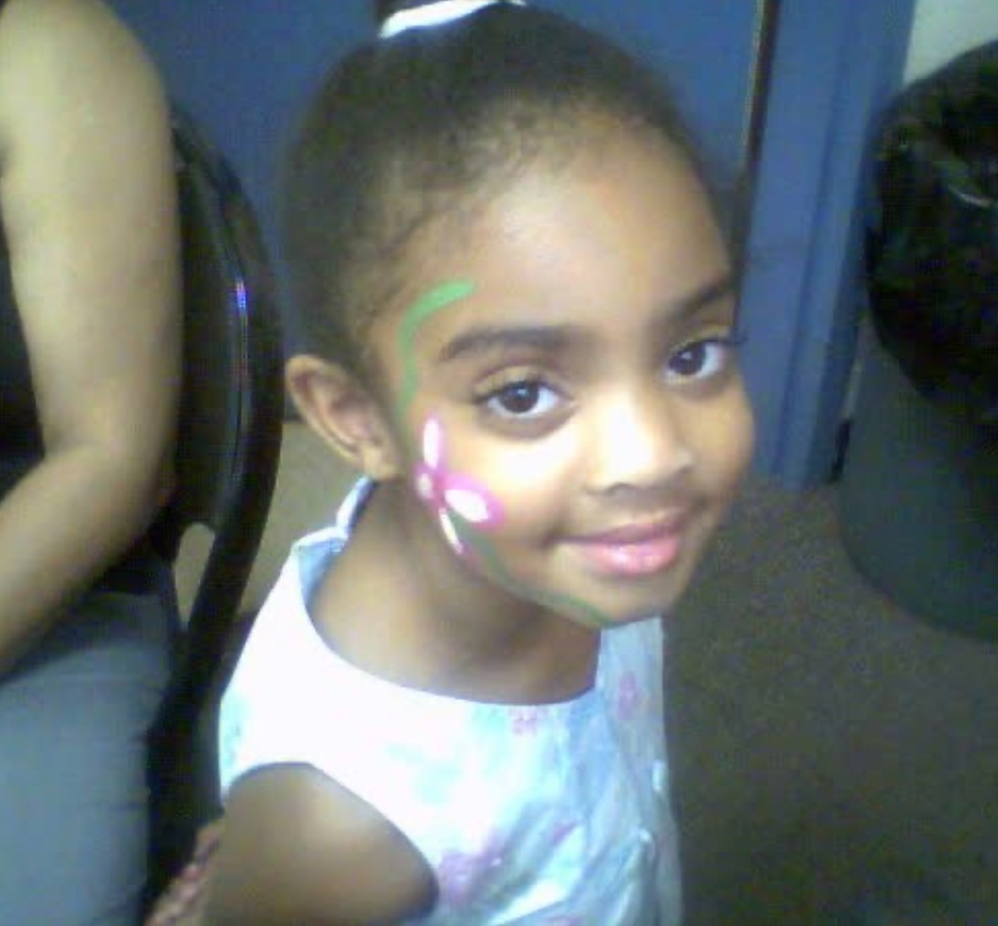
Savannah Latimer
Hi everyone! My name is Savannah Latimer, and I work at Children’s Hospital in the Emergency Department. I am a clinical research coordinator. That means I help doctors learn new and better ways to help kids feel better.
I work on research studies about different health problems like seizures, asthma, sickle cell disease, and genetics. Our goal is to find better medicines and treatments for patients.
Sometimes I help with studies that test special medicines. These medicines can help stop seizures, help with pain, and help patients get better faster so they can go home sooner.
I have learned a lot of cool skills in my job! I can place IVs and tests like EEGs and EKGs that check how the brain and heart are working. I also help use special medical tools that doctors use to care for patients.
One of the most important parts of my job is helping patients and their families when they come to the hospital. I talk with them, answer questions, and bring comfort items to help them feel a little less scared.
My favorite part of my job is helping kids and families during a hard time and being part of research that can help patients in the future. I love knowing that the work we do today can help kids feel better tomorrow!
Clinical Research Coordinator
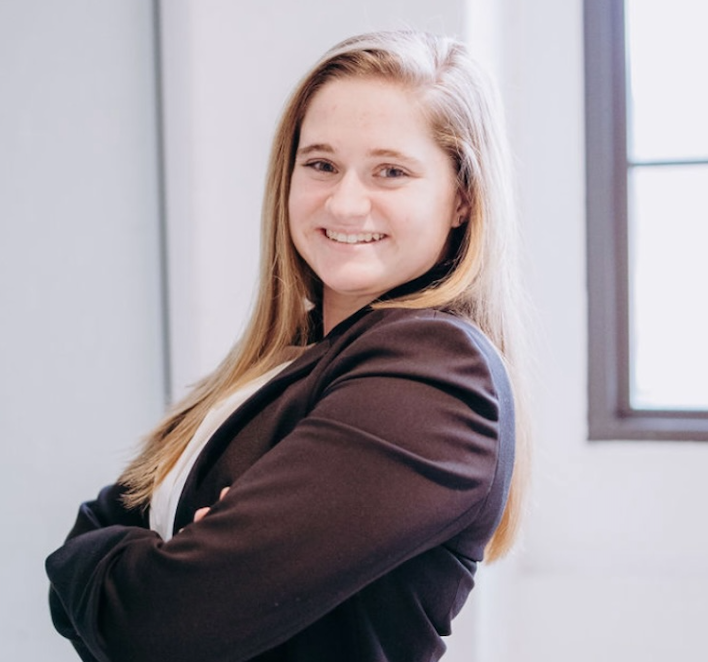
Ally Noccioli, MSHS
Hi! My name is Ally Noccioli, and I am a project manager at Children’s National Hospital. I work with medical devices, which are tools that help doctors take care of kids. My research tests if new medical devices are safe and work well for children. I help run clinical trials, where we try out these devices and compare them to the care doctors already use. We invite patients from the hospital to join these studies so we can learn more.
I study new medical devices to make sure they are safe and work well for children. To do this, I run special studies called clinical trials. In these trials, I test new devices and compare them to the usual care that patients already get. I invite patients from the hospital who meet certain rules to join the study. From my work, I learn important information, called data, that helps me understand if the devices are safe and if they do what they are supposed to do. My favorite part of doing research is seeing new and creative ideas turn into real tools that can help children feel better.
Research Program Coordinator
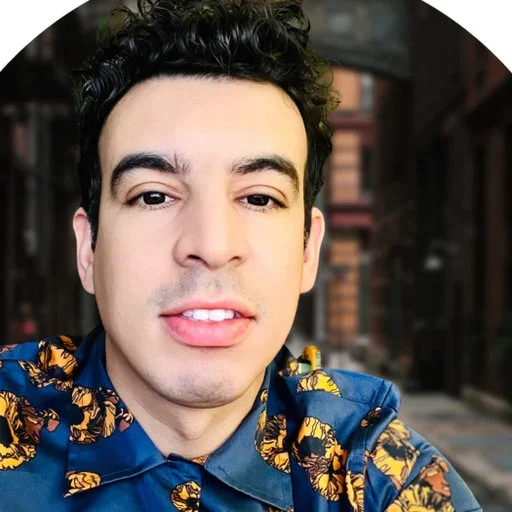
Dr. Youness Arjoune
Research Postdoctoral Fellow
Have you ever wondered how artificial intelligence actually works in the real world?
Meet Dr. Youness Arjoune, a Research Scientist who uses his coding and engineering superpowers to solve massive problems in both medicine and global communications!
Currently working at the Sheikh Zayed Institute for Pediatric Surgical Innovation at Children's National Hospital in Washington, D.C., Dr. Arjoune is living proof that tech skills can directly help people. He bridges the gap between electrical engineering and advanced artificial intelligence.
Dr. Arjoune works on a super cool project called StethAid. He builds AI programs that can listen to a child’s heartbeat through a digital stethoscope and instantly detect dangerous heart murmurs. He literally teaches computers how to diagnose sick kids! He uses deep learning to teach computers how to process complex sounds and images, turning raw data into life-saving medical tools.
Dr. Arjoune’s journey in STEM is truly global. He earned his Bachelor's and Master's degrees in telecommunications in his home country of Morocco, before moving to the United States to crush a Ph.D. in electrical engineering and AI at the University of North Dakota.
Dr. Nandkishore Prakash
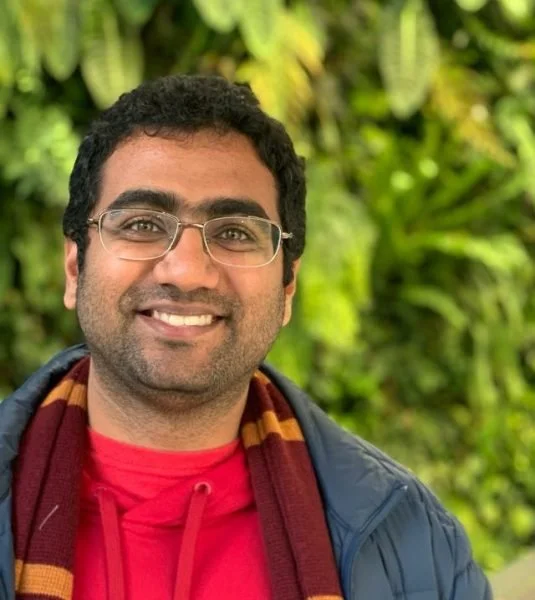
My name is Nandkishore, but my friends call me Nandu for short, and I am a Neuroscientist at Children’s National Hospital! In my research, I use animals like labratory mice to test the roles of individual genes in specific parts of the brain. To do this, I manipulate genes at different developmental ages and observe the effects on the animals’ behavior. This helps other scientists who study the human brain help find cures for brain disorders.
I am always trying to better understand how our brains control what we feel and do, and how the genes in our DNA make the brain more complex and capable as we grow from fetuses to infants, to children, to adolescents, and then adults! I am also curious about how the genes in our brain cells control the way we interact with each other socially.
In my work, I have learned that when a gene is knocked out, different social behaviors can be observed depending on exactly when and where in the brain the knockout is made. Some social behaviors are strong and are not affected by the loss of just one gene. So, a knockout in one brain region may affect speech; in another, it may affect social behavior, but in a third, it may have no effect at all!
I enjoy being curious about the world around me and I like my job because I am always learning something new. It feels special to know that I am unlocking the secrets of the brain and probing the mysteries of life! I like that whenever I discover something, for a brief moment, I am the first person in the world to know something about the brain and then describe it to others.